Pump Inlet Cavitation in Power Gen Facility
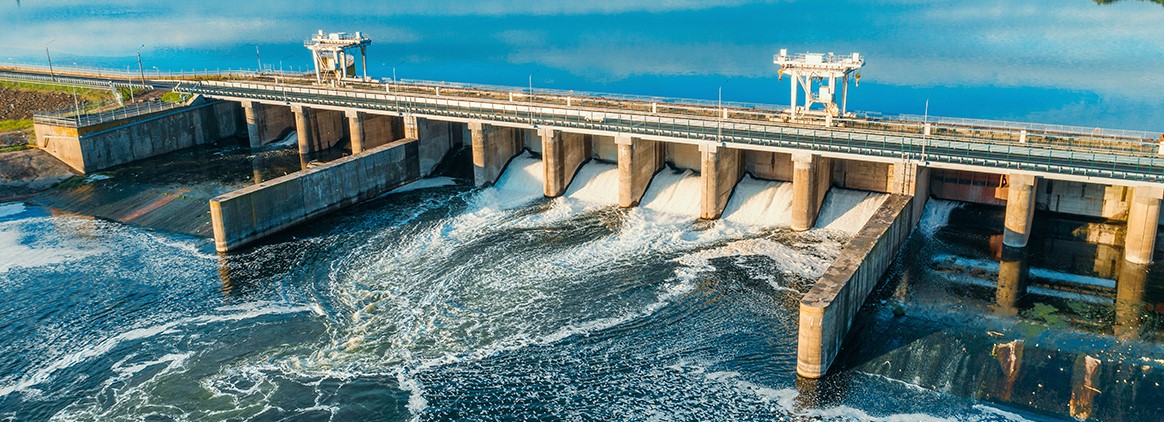
Industry Served: Energy
Problem:
A power generation facility operating an industrial water system experienced recurring cavitation and dry running events on a reciprocating metering pump supplying deionized water.
The pump was fed from a large, elevated vertical supply tank with approximately 200 feet of suction piping, and from a static design perspective, the system appeared more than adequate. There was ample static head, no obvious restrictions, and a properly sized tank.
Despite this, the pump exhibited noise, instability, and signs of incomplete liquid end filling creating concern about accelerated wear and potential equipment damage. The operating team struggled to reconcile these issues with what seemed like “plenty of inlet pressure.”
Solution:
The root cause was identified as acceleration losses within the long suction line, not a lack of static pressure.
Metering pumps draw fluid intermittently, not continuously. Each suction stroke requires the instantaneous acceleration of the entire fluid column between the tank and the pump. In this case, approximately 200 feet of low viscosity fluid had to be accelerated on every stroke, creating momentary pressure collapse at the pump inlet even though static pressure was available at the tank.
To address this, an 85 cubic inch SENTRY inlet stabilizer was installed directly upstream of the pump suction.
The inlet stabilizer created a localized reservoir of fluid at the pump inlet, fundamentally changing system dynamics:
• The pump now filled from the stabilizer instead of drawing fluid from hundreds of feet away
• Acceleration losses in the long suction line were effectively isolated from the pump
• The elastomer bladder absorbed pressure fluctuations and prevented inlet pressure from dropping below vapor pressure
Result:
After installation of the inlet stabilizer, the metering pump operated smoothly and reliably with immediate improvement.
Key Outcomes
• Complete liquid end filling on every pump stroke
• Elimination of cavitation and dry running conditions
• Stabilized inlet pressure
• Improved pump reliability and reduced mechanical wear
• No modifications required to existing suction piping
This project highlights a common misconception in reciprocating pump systems: static inlet pressure alone does not guarantee proper performance. In long suction applications, dynamic acceleration losses can dominate system behavior.
By placing an inlet stabilizer directly at the pump, those losses were mitigated, protecting the pump and restoring consistent, dependable operation.